Market Overview
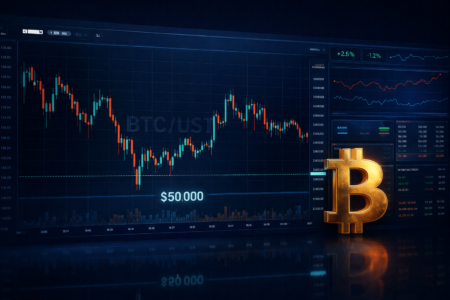
Bitcoin traded with limited momentum on February 4, 2026, as the cryptocurrency market remained cautious amid ongoing global economic uncertainty. Price action stayed within a narrow range, reflecting hesitation among traders who appear unwilling to take aggressive positions without stronger confirmation from broader financial markets.
The lack of volatility suggests a pause after recent price fluctuations. Market participants are closely watching whether Bitcoin can maintain its current support zone or if renewed selling pressure may emerge. Other major cryptocurrencies, including Ethereum and large-cap altcoins, followed a similar pattern, indicating a synchronized slowdown across the digital asset space.
Factors Influencing the Crypto Market
Investor sentiment remains closely tied to global monetary conditions. Elevated interest rates continue to weigh on speculative assets, reducing liquidity flows into the crypto market. Additionally, uncertainty surrounding regulatory frameworks in key regions has contributed to a wait-and-see approach among institutional investors.
On-chain activity shows moderate engagement, suggesting neither panic selling nor strong accumulation. This behavior points toward consolidation rather than trend reversal. Short-term traders are focusing on technical levels, while long-term investors remain cautious.
Short-Term Outlook
Unless new macroeconomic or policy-related developments emerge, Bitcoin is likely to continue trading sideways. A breakout in either direction would require a shift in market sentiment or a strong external catalyst.
Conclusion
Bitcoin remains in a consolidation phase, reflecting cautious investor behavior and limited risk appetite. The market is stable but lacks the momentum needed for a decisive move.
Quick FAQs
Is Bitcoin bullish today?
No, Bitcoin is neutral and trading within a consolidation range.
Why is the market quiet?
Traders are waiting for clearer signals from global economic conditions.
What could drive the next move?
Changes in monetary policy expectations or renewed institutional interest.