22 January 2026
Market Overview
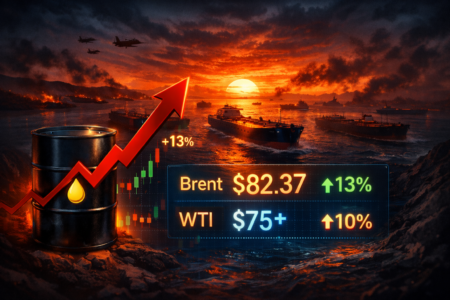
On 22 January 2026, the commodities market traded firmly as traders closely monitored stable demand conditions across key sectors. Prices in energy, metals, and agricultural commodities showed controlled and orderly movement throughout the trading session. This stability reflected a balanced relationship between supply availability and consumption needs, encouraging a calm trading environment.
Market participants avoided aggressive speculation and instead focused on maintaining existing positions. The absence of major disruptions in supply chains or unexpected demand shifts contributed to the steady price behavior observed across markets.
Energy and Metals Performance
Energy commodities remained stable as consumption patterns aligned well with seasonal expectations. Demand from residential, commercial, and industrial users stayed consistent, helping prevent sudden price changes. Traders continued to watch inventory levels and usage data to assess future price direction, but no immediate concerns emerged.
Industrial metals traded within narrow price ranges, supported by moderate manufacturing activity. Demand from construction and industrial sectors remained steady, while cautious investor positioning limited sharp movements. Market participants favored stability over short term speculation due to uncertain global economic signals.
Agricultural Commodities Update
Agricultural markets followed expected seasonal behavior with mild and predictable price movement. Supply conditions remained steady, and consumption patterns showed no unusual variation. Traders paid close attention to weather forecasts, transportation routes, and storage conditions, as these factors can influence agricultural supply over time.
Although no immediate supply disruptions were reported, investors remained alert to potential changes that could affect production or distribution in the coming weeks.
Market Outlook
Investor sentiment remained cautiously optimistic. Traders showed confidence in current market fundamentals but continued to manage risk carefully. Analysts noted that as long as supply and demand remain balanced, commodity prices are likely to stay stable in the near term.
Any future price movement is expected to depend on changes in global demand trends, weather conditions, or supply chain developments.
Conclusion
The commodities market on 22 January 2026 reflected firmness, balance, and discipline. Controlled trading conditions across energy, metals, and agricultural sectors highlighted steady market fundamentals. Traders maintained a watchful but optimistic stance while monitoring factors that could influence future price direction.
Quick FAQs
Why are commodities trading firmly
Because supply and demand conditions across major sectors remain well balanced.
Is sharp volatility expected
Volatility may increase only if there are significant supply disruptions or sudden demand shifts.
What influences commodity prices most
Key factors include demand trends, supply levels, weather conditions, and logistics.