15 December 2025
Market Overview
Global commodity markets experienced notable volatility today as traders reacted to a combination of supply disruptions and changing demand forecasts. Energy and agricultural commodities were particularly affected, reflecting growing concerns about geopolitical tensions, production challenges, and shifting consumer behavior worldwide. Analysts note that this volatility could have widespread implications for global trade, inflation, and investment strategies.
Energy Sector Pressures
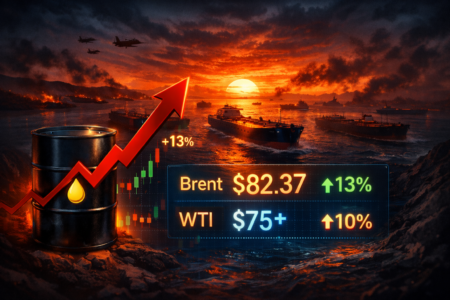
Oil prices showed fluctuations throughout the day, with Brent crude hovering around $88 per barrel while WTI crude touched $85. Market participants attributed the swings to reports of unexpected refinery maintenance in major producing regions and renewed tensions in key oil exporting countries. Despite short term supply constraints, some traders remain cautious due to projections of slowing demand growth in certain industrial sectors, particularly in Asia and Europe.
Natural gas markets also witnessed sharp movements, with prices rising amid colder weather forecasts in the Northern Hemisphere. Storage levels in several European countries are below seasonal averages, intensifying concerns over energy availability during peak winter months.
Agricultural Commodities Under Pressure
Agricultural commodities such as wheat, corn, and soybeans saw price gains today following reports of adverse weather affecting crop yields in North and South America. Analysts indicated that drought conditions in key production areas could reduce global supplies, pushing prices higher. Meanwhile, strong demand from emerging markets is expected to further tighten availability, leading to sustained market attention over the coming months.
Investor Sentiment and Market Dynamics
Investors remain cautious, balancing concerns over supply constraints with broader economic uncertainties, including fluctuating interest rates and potential inflationary pressures. Commodity linked exchange traded funds (ETFs) saw increased trading activity, indicating that institutional investors are adjusting portfolios to manage risk in a volatile market environment.

Outlook for the Coming Weeks
Experts suggest that commodity prices may continue to experience short term swings as markets absorb new data on production, demand, and geopolitical developments. Energy analysts emphasize that oil and gas prices could stabilize if supply disruptions are addressed, but lingering uncertainties may continue to influence trader behavior. Agricultural markets are expected to remain sensitive to weather updates and international trade flows.
Conclusion
The global commodity landscape is entering a period of heightened vigilance, with market participants closely monitoring supply and demand signals. Short term volatility appears likely, but strategic adjustments by producers and policymakers could mitigate extreme fluctuations. The current market environment underscores the interconnectedness of global economies and the importance of risk management in commodity trading.
Quick FAQs
Why are commodity prices so volatile today
Due to supply disruptions, changing demand forecasts, and geopolitical tensions.
Which commodities are most affected currently
Oil, natural gas, wheat, corn, and soybeans.
How are investors responding
Many are adjusting portfolios, trading commodity ETFs, and monitoring short term market signals.
Will prices stabilize soon
Stability depends on supply resolutions, weather conditions, and demand trends in key markets.