3 February 2026
Oil Market Overview
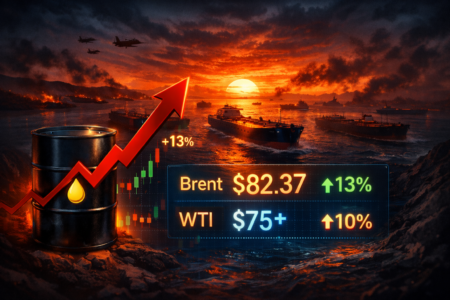
Oil prices moved lower on February 3, 2026, as traders reassessed risk and adjusted positions following recent volatility. The decline reflects a shift in market focus from supply side concerns to broader macroeconomic and sentiment driven factors.
Market participants responded to easing geopolitical tensions, which reduced the risk premium that had previously supported crude prices. At the same time, a strengthening U.S. dollar added downward pressure, making oil more expensive for international buyers.
Supply and Demand Dynamics
Despite recent price declines, underlying supply fundamentals remain relatively stable. Production levels among major oil producing nations have not changed significantly, and there is no immediate indication of severe oversupply. However, demand expectations remain uncertain as global economic growth forecasts are revised.
Energy traders note that short term price movements are currently driven more by speculative positioning than by structural changes in supply and demand. This environment increases volatility and sensitivity to headlines.

Near Term Outlook
Oil markets are expected to remain volatile in the near term as traders react to economic data releases, currency movements, and geopolitical developments. Without a clear shift in demand outlook or supply disruptions, prices may continue to face pressure.
Conclusion
Oil prices are under near term pressure due to sentiment driven trading and a stronger dollar. A sustainable recovery will likely depend on improved demand signals or renewed geopolitical risks.
Quick FAQs
Why are oil prices falling today?
Reduced geopolitical risk and currency strength are weighing on prices.
Is oversupply a major concern?
No, current declines are driven more by sentiment than by oversupply.
What could support oil prices going forward?
Stronger demand data or increased geopolitical uncertainty.