The U.S. dollar index is rising rapidly in global markets as safe-haven demand grows. Ongoing hot conflicts in the Middle East immediately pushed investors toward the dollar. In particular, U.S. and Israeli attacks on Iran significantly increased panic in the markets. As a result, the index climbed to its highest level in the past five weeks. For this reason, European currencies fell sharply against the strong dollar. Investors are also moving quickly out of risk assets and into cash.
Euro and Pound Weaken Against the U.S. Dollar Index
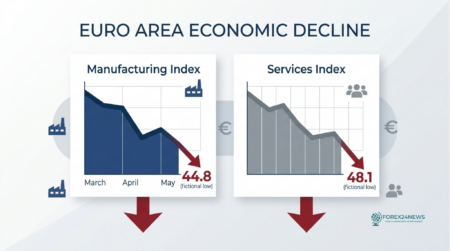
Rising geopolitical risks are directly and deeply shaking the European economy. Therefore, we are seeing clear weakness in both the euro and the pound. In addition, a sudden surge in energy prices has reignited inflation concerns across the region. Market experts emphasize that the European Central Bank’s rate plans will become more difficult. At the same time, higher energy costs continue to pressure industrial production in Europe. Regional growth expectations have also been revised downward quickly in this crisis environment. As a result, other major currencies could not hold their ground against the strong U.S. dollar index. Meanwhile, the British pound also lost serious momentum against the dollar.
Japanese Yen and Safe-Haven Dynamics
In a conflict environment, the Japanese yen is also an asset investors turn to. However, the yen’s reaction against the dollar is currently unfolding in a more complex way. In particular, the 156.00 level in USD/JPY forms a technically critical support. Both currencies hold safe-haven status on a global scale. Despite that, high U.S. interest rates make the dollar more attractive for investors. Ultimately, global uncertainty has created a perfect storm for the U.S. dollar index. This strong uptrend may also not reverse easily in the short term.
Volatility Rises in Forex Markets
High volatility in forex markets continues at full speed. The war environment has significantly widened daily trading ranges across currency pairs. Therefore, traders need to be much more careful against sudden price moves. In addition, upward momentum in U.S. Treasury yields supports the strong dollar. The 10-year yield even moved above the 4% level. As a result, rates and geopolitics combined to accelerate the U.S. dollar index rally to a large extent. Meanwhile, commodity-linked currencies are also drawing support from rising oil prices. For example, the Canadian dollar is holding relatively strong alongside higher oil prices.
Expectations for Monetary Policy in the Next Period
Markets are watching closely to see how central banks will respond to this new shock. Clearly, the possibility that the Fed delays its rate-cut cycle has strengthened significantly. For this reason, the U.S. dollar index will likely maintain its solid dominance in global markets for some time. Persistent inflation also directly supports the Fed’s hawkish stance. As a result, critical balances in currency markets have shifted more permanently in favor of the United States. Sharp selling during the Asian session also confirmed this trend clearly. Ultimately, investors remain tightly focused on upcoming macroeconomic data. Friday’s nonfarm payrolls figures carry major importance. Without a doubt, these data will set a new direction for the U.S. dollar index.
A New Normal for Markets
These tensions are creating a completely new normal for forex markets. In particular, the possibility that the Middle East crisis lasts longer is increasing uncertainty in the market. For that reason, high volatility in exchange rates may become persistent. Institutions are even redesigning their risk management strategies around these swings. In short, a strong U.S. dollar index will also multiply the costs of global trade.
You can access our other news about the U.S. dollar index and global market developments here.